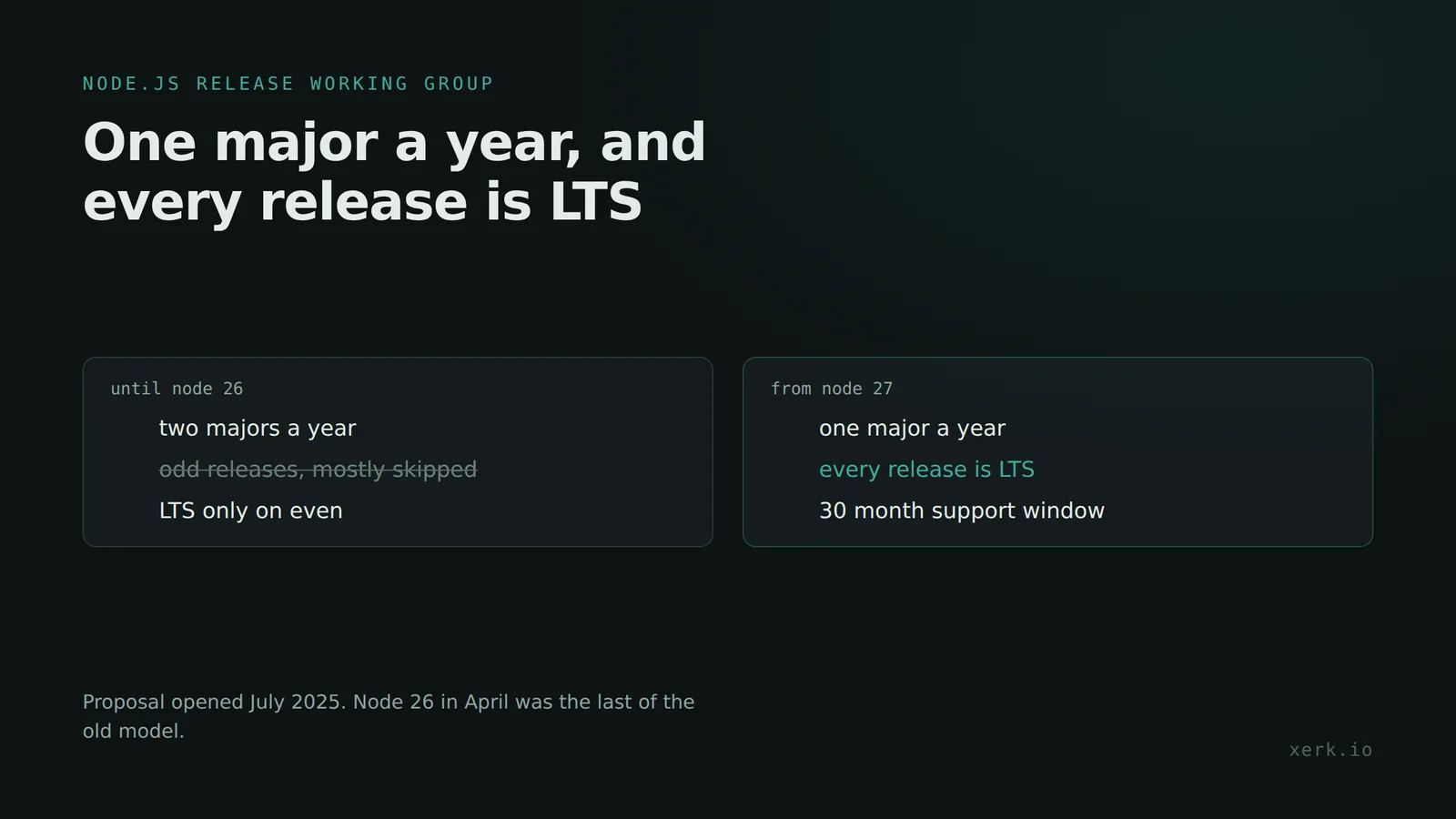
Node.js is moving to one major release a year, and the odd/even split is finally gone. From Node 27 onward, every release becomes LTS.
What changes
Node 26, which landed in April, is the last release under the old model. After that there is one major per year, and every one becomes LTS, so there are no more odd versions that exist mainly to be skipped. The support window stays at thirty months.
Why
The reasoning is refreshingly unglamorous. Rafael Gonzaga opened the proposal back in July 2025. He pointed out that most organisations skipped odd releases entirely, while a volunteer release team still carried the maintenance load for them. James Snell described the old schedule as a model built for corporate adoption cycles that mattered a decade ago and hadn't been revisited since.
What it means for your team
For most teams the practical effect is small, which is the nice part. You make fewer upgrade decisions a year, and nobody has to explain to a project manager why we're skipping a version on purpose.
I've been running Node in production for about a decade, and almost every version I've shipped on was even numbered. The project is making official what most of us were already doing.
Building something like this?
I'm Ahmed Mamdouh, a senior full-stack and AI engineer. I reply within one working day.
Scaling 100k WebSocket connections: the reconnect storm
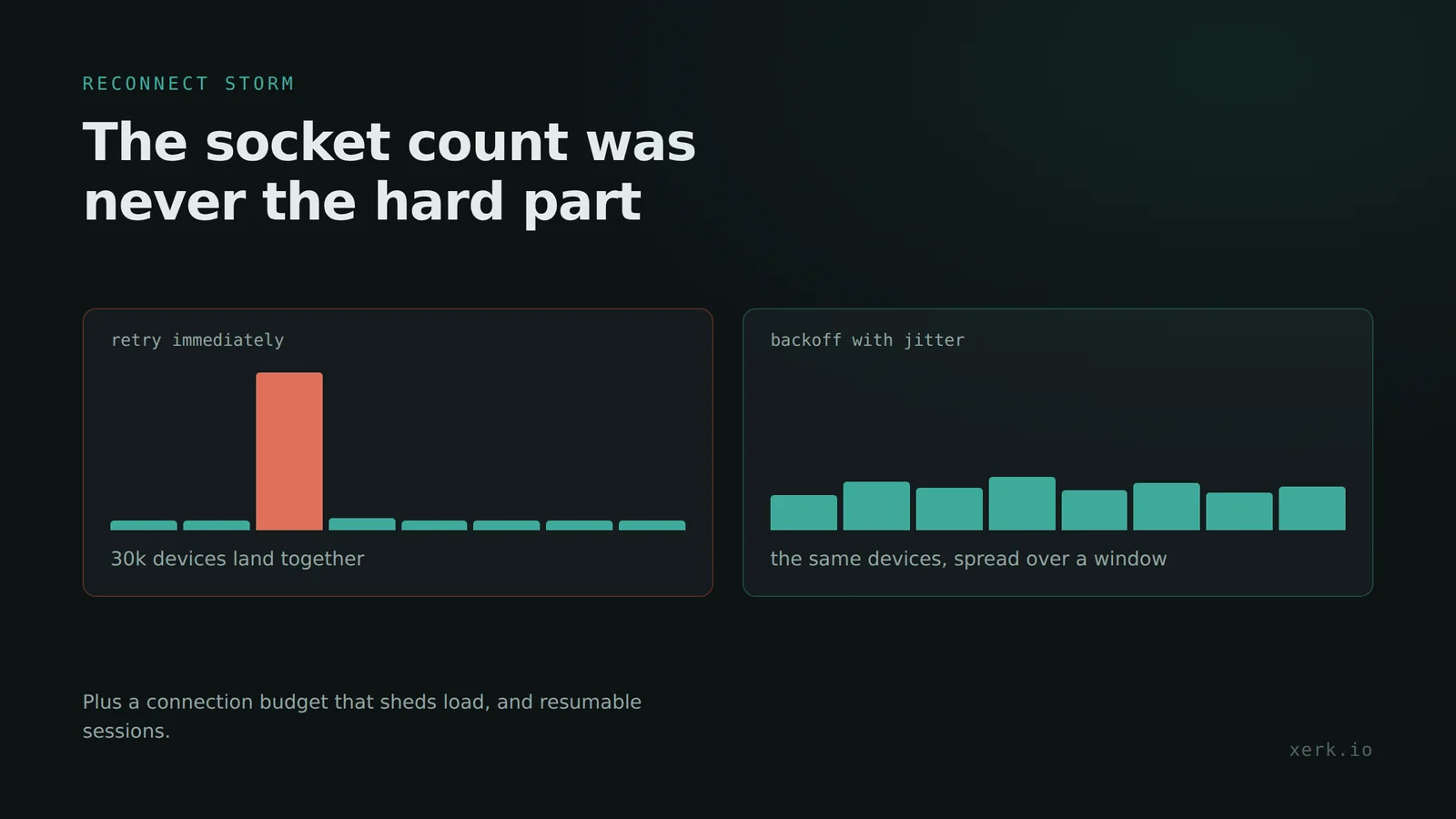
At 100k+ concurrent sockets the count is easy. The reconnect storm is what breaks, and jittered backoff, load shedding and resumable sessions fix it.
npm v12 blocks install scripts by default
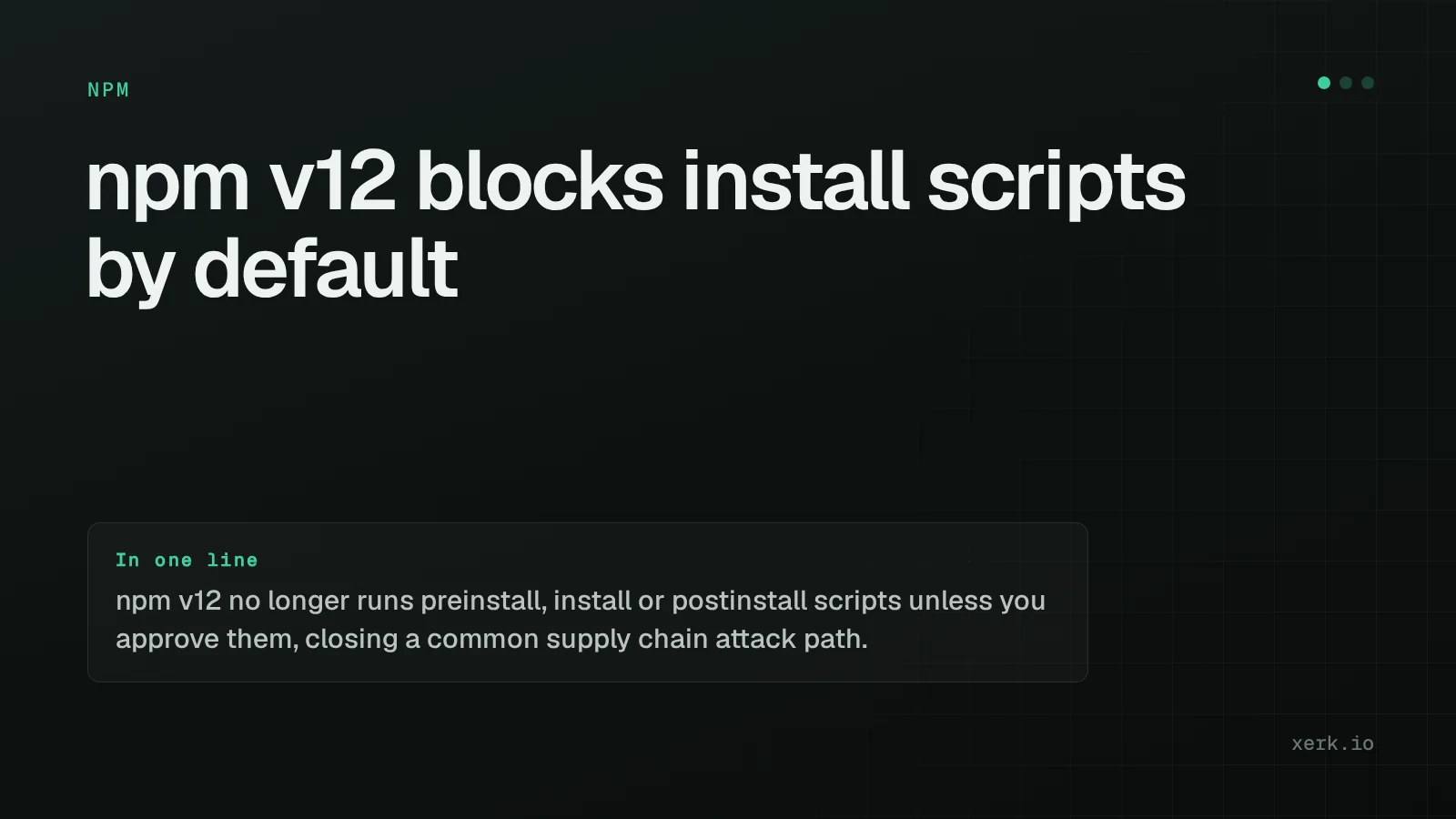
npm v12 no longer runs preinstall, install or postinstall scripts unless you approve them, closing a common supply chain attack path.
How an endpoint got 45 percent faster with no clever code
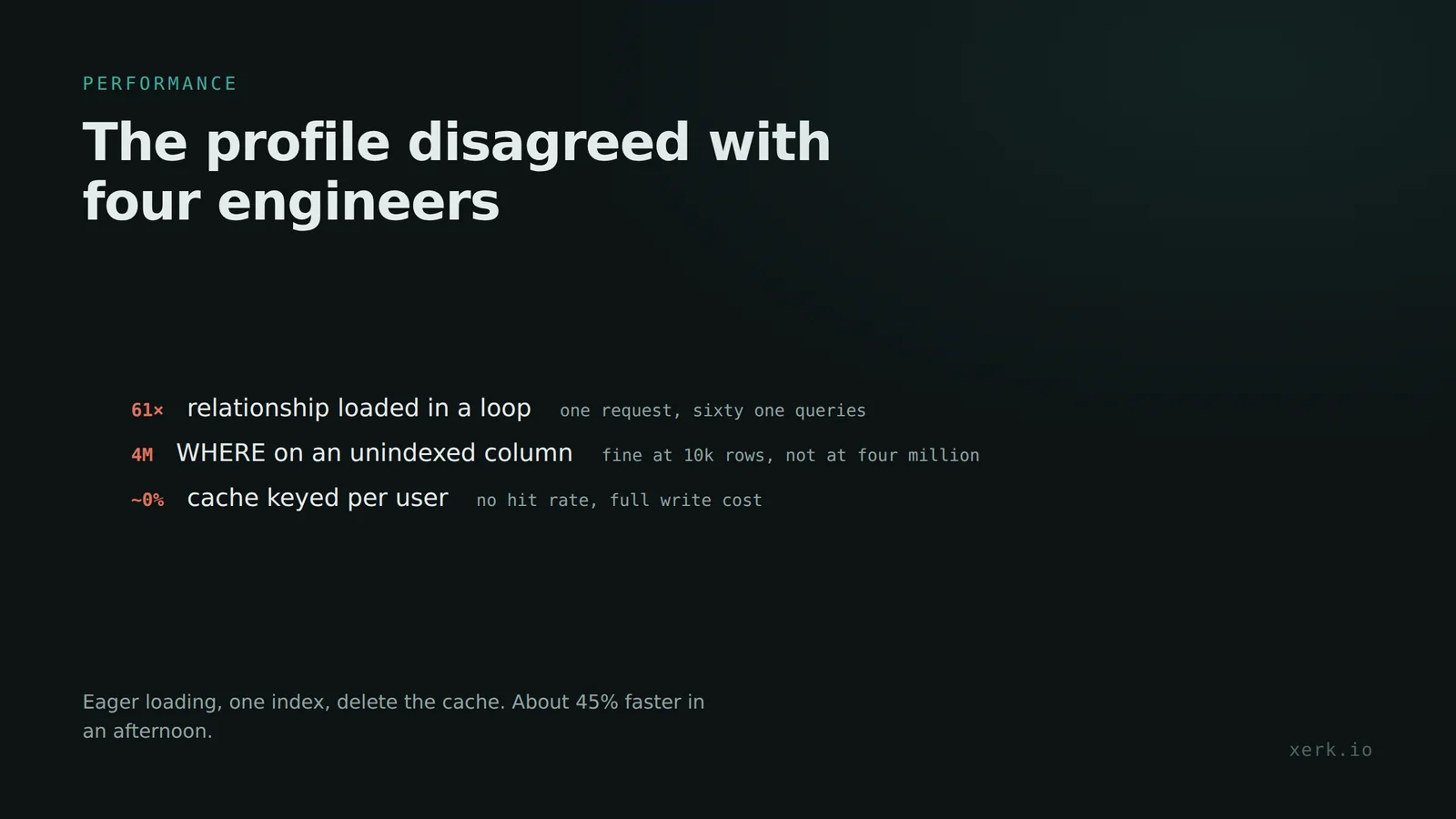
Twenty minutes with a profiler beat a week of guessing. An N+1, a missing index and a useless cache made an endpoint 45 percent faster.